
Dressing & Sensory Over-Responsivity
a neuroscience approach for understanding and supporting kids
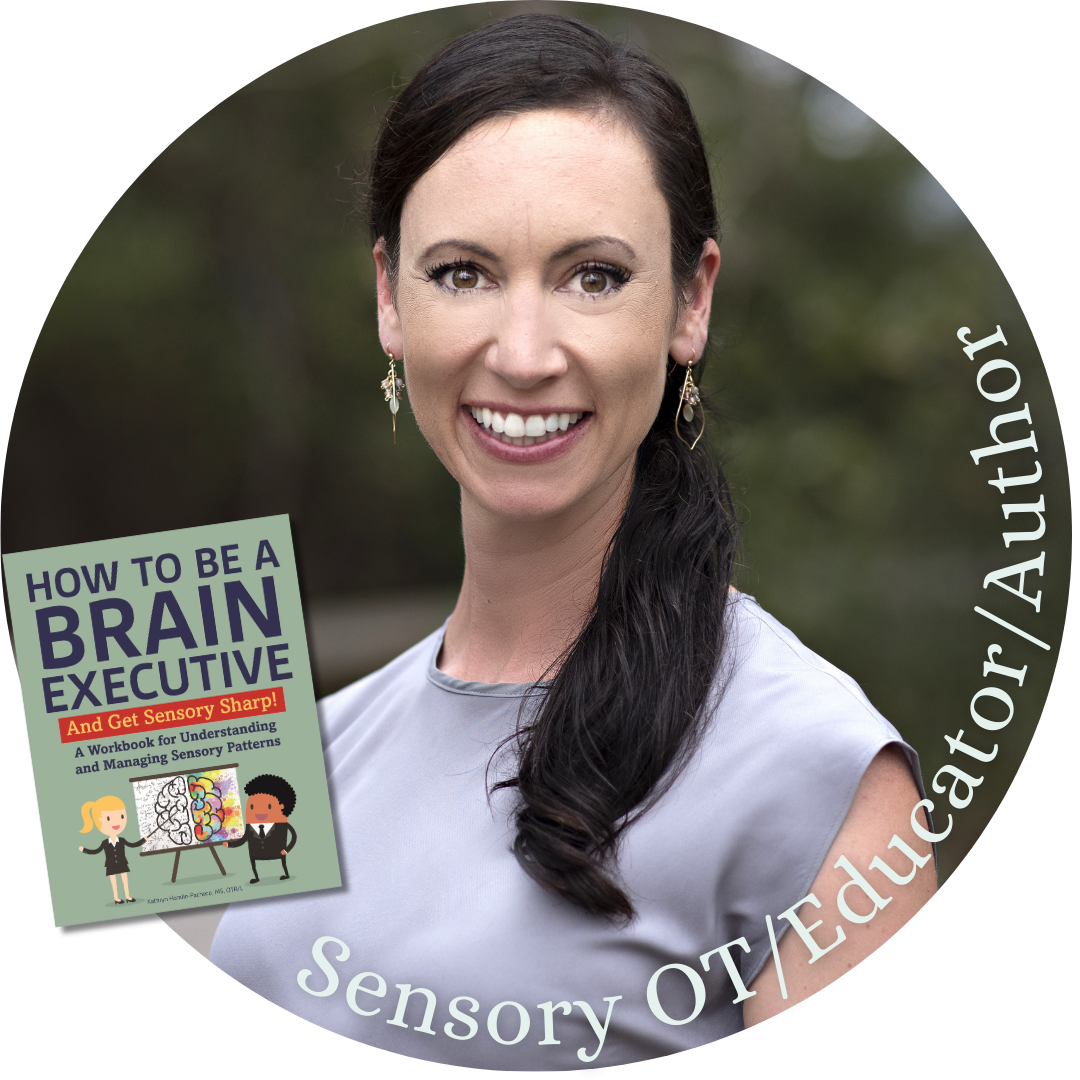
The difficulties faced by a child with tactile defensiveness when they have to dress is often over-simplified and met with temporary supports. Join Kathryn Hamlin-Pacheco, OTR/L, ASDCS, as she combines her work in Polyvagal Theory, Sensory Integrative Practice, and Neuroscience in Mental Health to take a deep dive into the experience and neuroscience of sensory over-responsiveness as it relates to dressing! This course translates neuroscience into everyday practice to consider eight distinct but cohesive perspectives to support kids who are sensory over-responsive, or have heightened sensory reactivity in dressing.
Want to know more?
Download the FREE eBook to grab a great resource to use in practice and to learn more about the 8 approaches that are explained in-depth in this course.

What does this course include?
3 hours, 45 minutes of audio/video course presentation
6 printable resources
8 bonus videos
Certificate of Completion for CE requirements
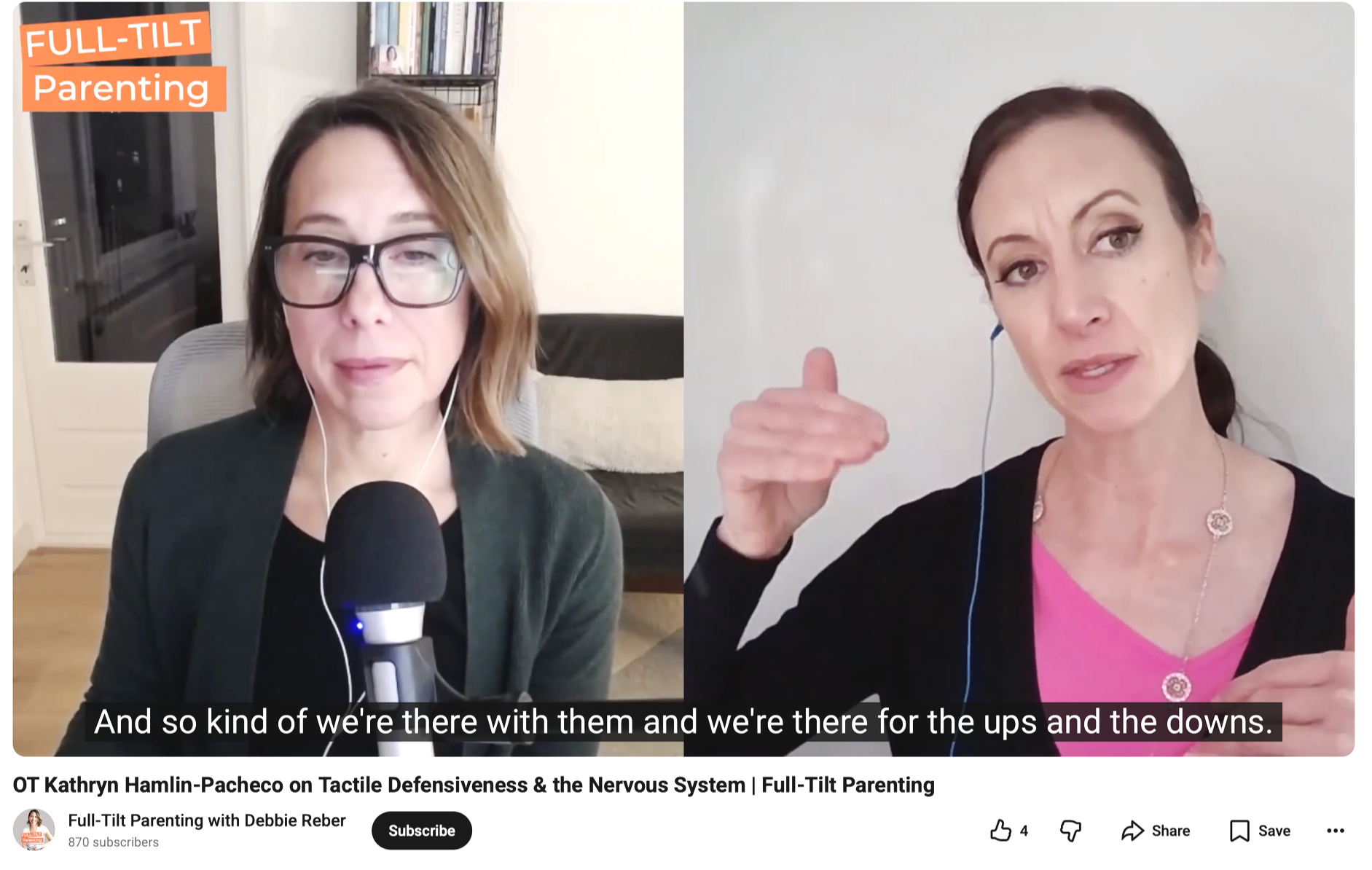
How can neuroscience transform your work? Check out these videos to find out and preview more course content!
Content of this course includes:
-how a child’s arousal levels must be regulated to support dressing success
-why a child may experience a physiological shift into states of fight, flight, or shutdown
-how to use neuroscience to co-regulate
-how understanding and supporting regulation and connection allows the brain an opportunity to understand the sensory information it receives from clothing
-a play-based approach to dressing, and how it supports learning
-application of the principles of neuroplasticity to create and develop positive pathways and mental models of the tactile information received from clothing
-an informed use of compensatory strategies (e.g., tagless or seamless clothing) within a holistic habilitative approach
-ability to earn a Certificate of Completion that may be applied toward CE requirements.
-unlimited access to more than 2 hours of video-recorded presentation delivered in Kathryn’s signature style
-a printable infographic to share with parents, caregivers, teachers, and others!
-a “cheat sheet” on using neuroscience in documentation
What people are saying about Kathryn’s teaching:
“I loved this course. So often I feel like continuing education is so watered down and doesn't challenge me as a practitioner. This course was fabulous and definitely made me review my foundational knowledge of neuroscience and build upon it.”
“I loved the play based occupations activities recommended and I immediately shared these with families that were struggling with dressing and we saw results quickly! Thank you for applying the neuroscience to practical applications!”
“It has been a long time since I truly enjoyed a continuing education course. This one was great! It made me rethink my practice and how to accomplish what I really want to accomplish.”
“This instructor gave the best lesson on neurology and neuroscience that I have ever heard in 30+ years!”
“This is the most exciting course I've experienced in years! Combining of the science of learning with long standing / current principles of SI allow for a clear explanation of how motor learning occurs. This presentation leaves me with an enhanced understanding of this topic and more confidence in communicating treatment objectives.”
“The instructor's enthusiasm for this subject was contagious. I am more encouraged to delve into this subject to enhance my learning. The instructor had a very understandable speaking voice. I have slight to moderate hearing impairment. I really appreciated not having to work to hear the information!”
“I loved the way Kathryn Hamlin-Pacheco OTR/L explained things and the examples she gave she was clear and concise but relatable and detailed as well! SOOO many great and practical examples favorite continuing education so far!”
“The neural terminology used in the course caused me to have to reflect on terminology that I haven't been using much throughout my school based occupational therapy career and has given me a lot of things to ponder and relearn moving forward. Thank you for the information.”
“[I] loved the clinical examples the teacher gave to bring concepts together.”
“Beautifully taught and explained!”
Please note that these reviews are from Kathryn’s presentation of this material for OccupationalTherapy.com. See their website for more information.